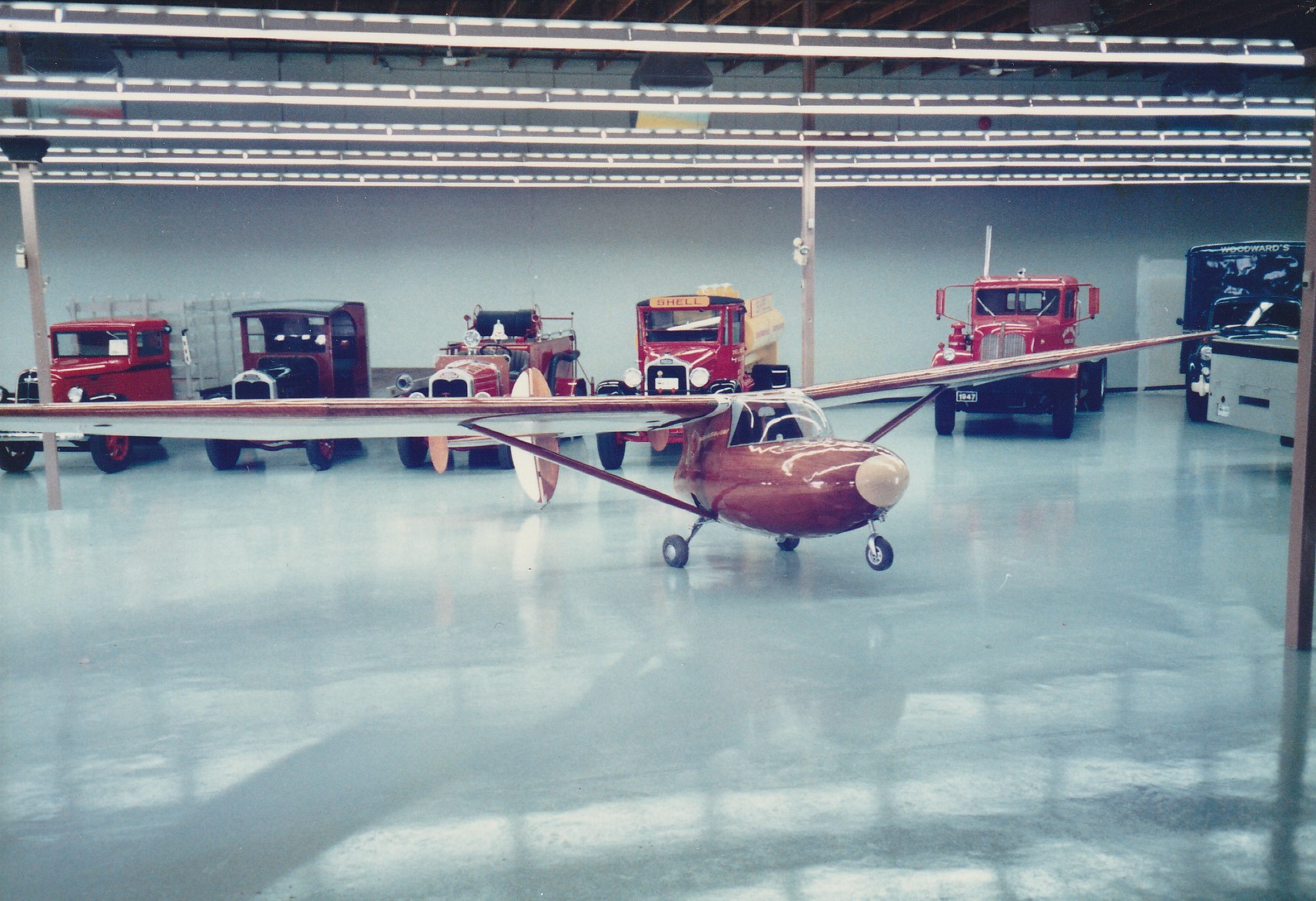
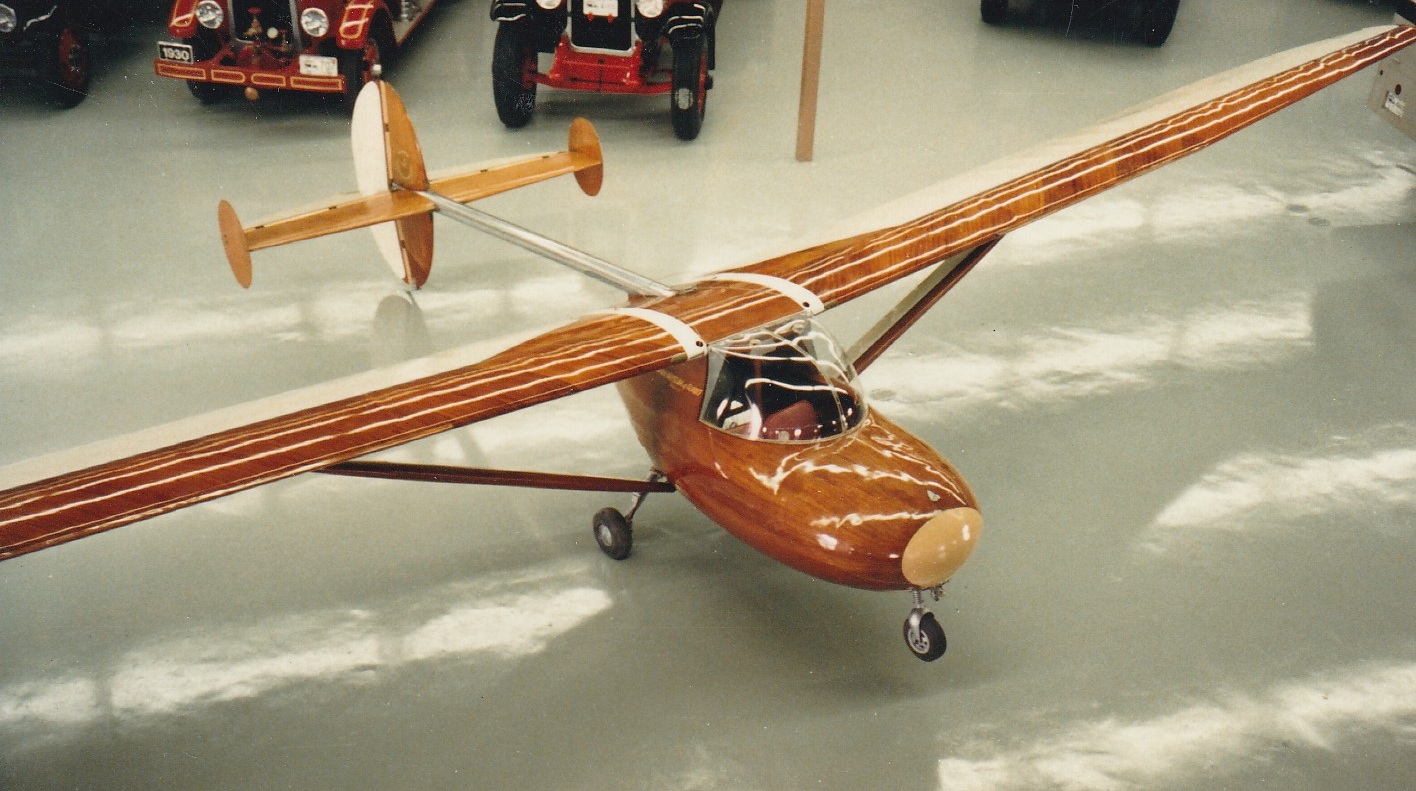
Nelson BB-1 Dragonfly
General Description
In 1945, William Hawley Bowlus and Ted Nelson formed the Nelson Aircraft Corporation to build a two-seat, motor-glider version of the popular Bowlus BA-100 Baby Albatross. Bowlus brought the glider design known-how and Nelson brought the engine technology and together they created one of the very first examples of a powered glider. Bowlus and Nelson nicknamed their design the Bumblebee due to the high pitch sound of its engine, but when the aircraft was finally marketed to the public it was sold under its official name, the Nelson Dragonfly.
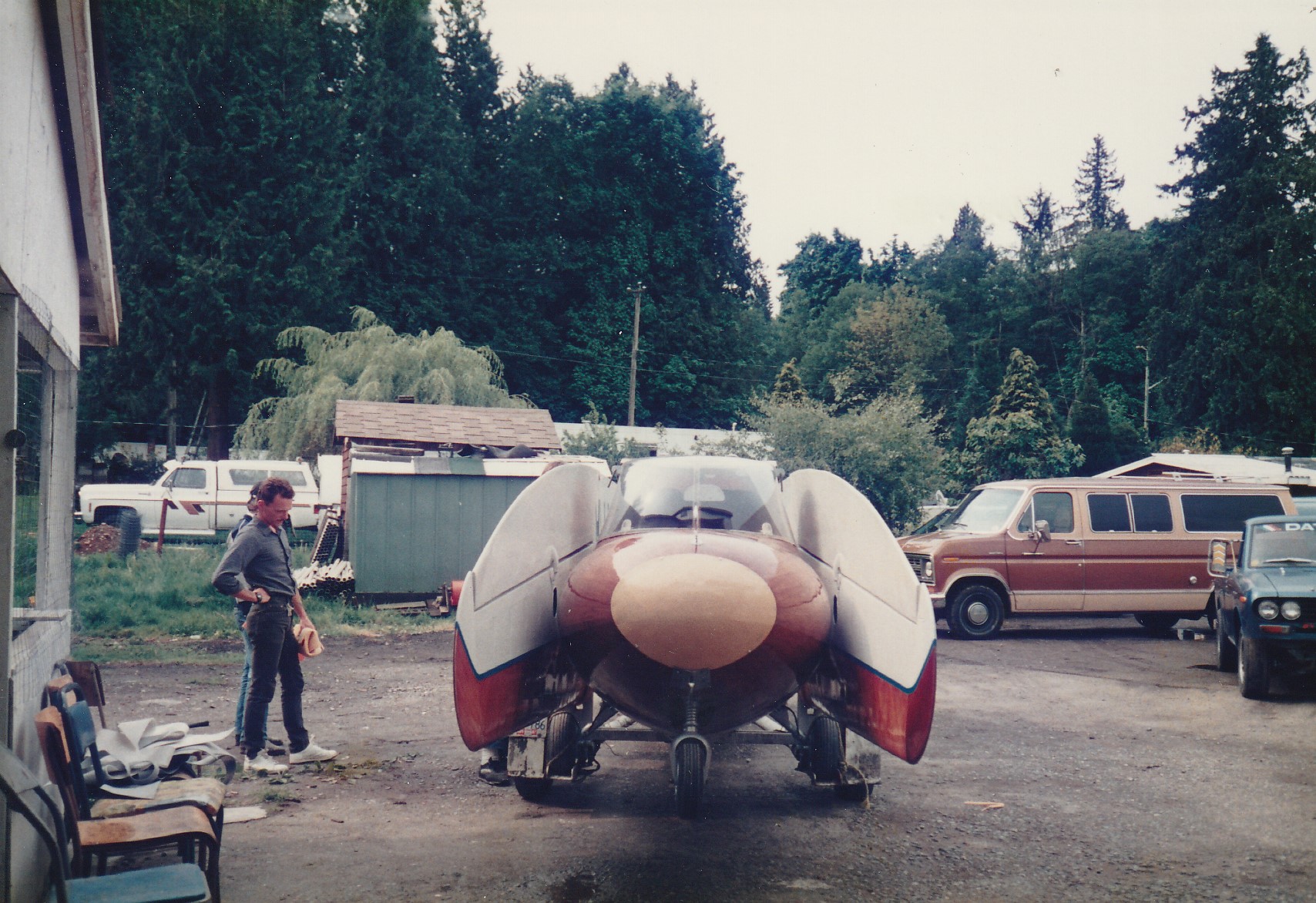
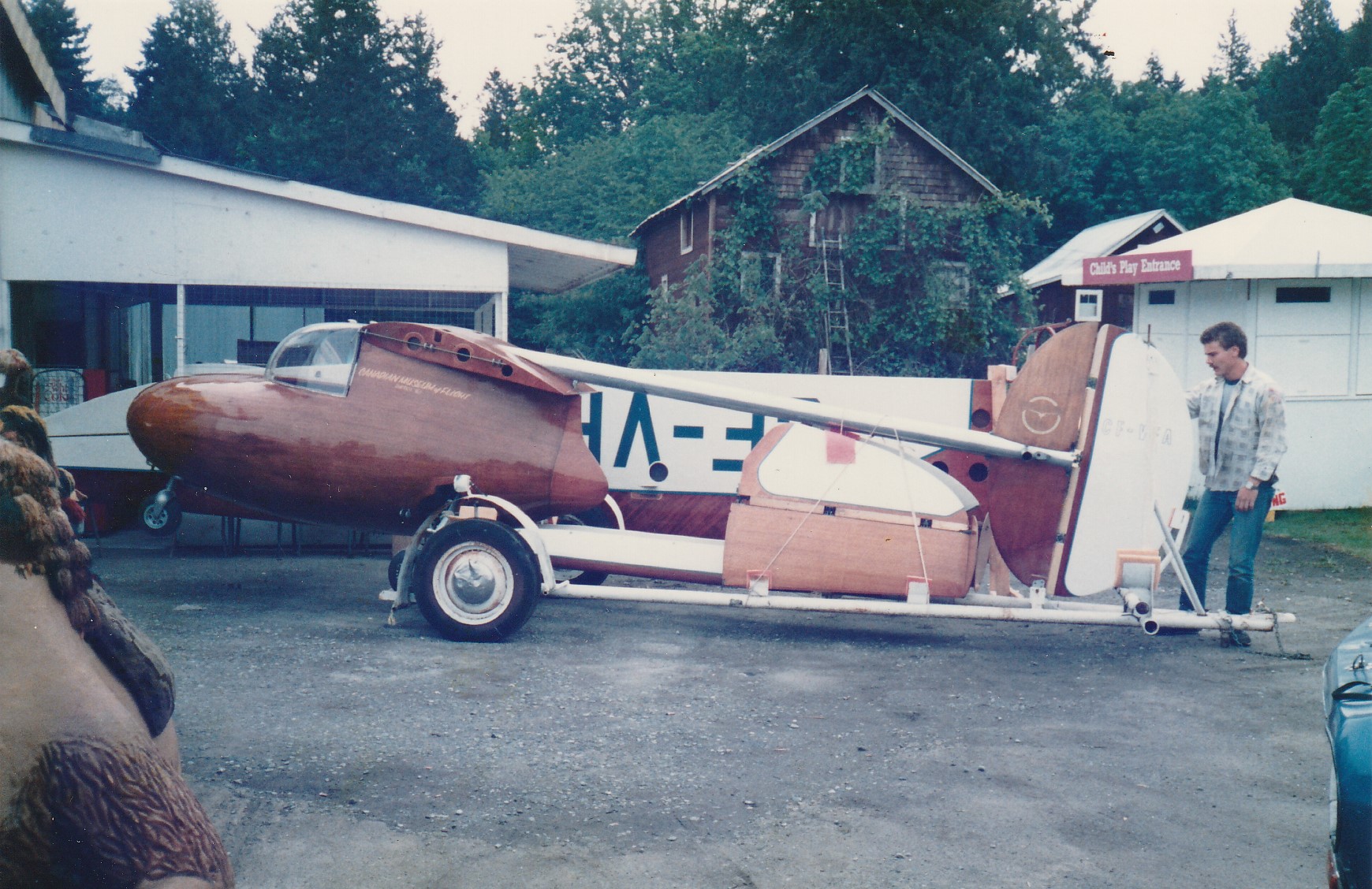
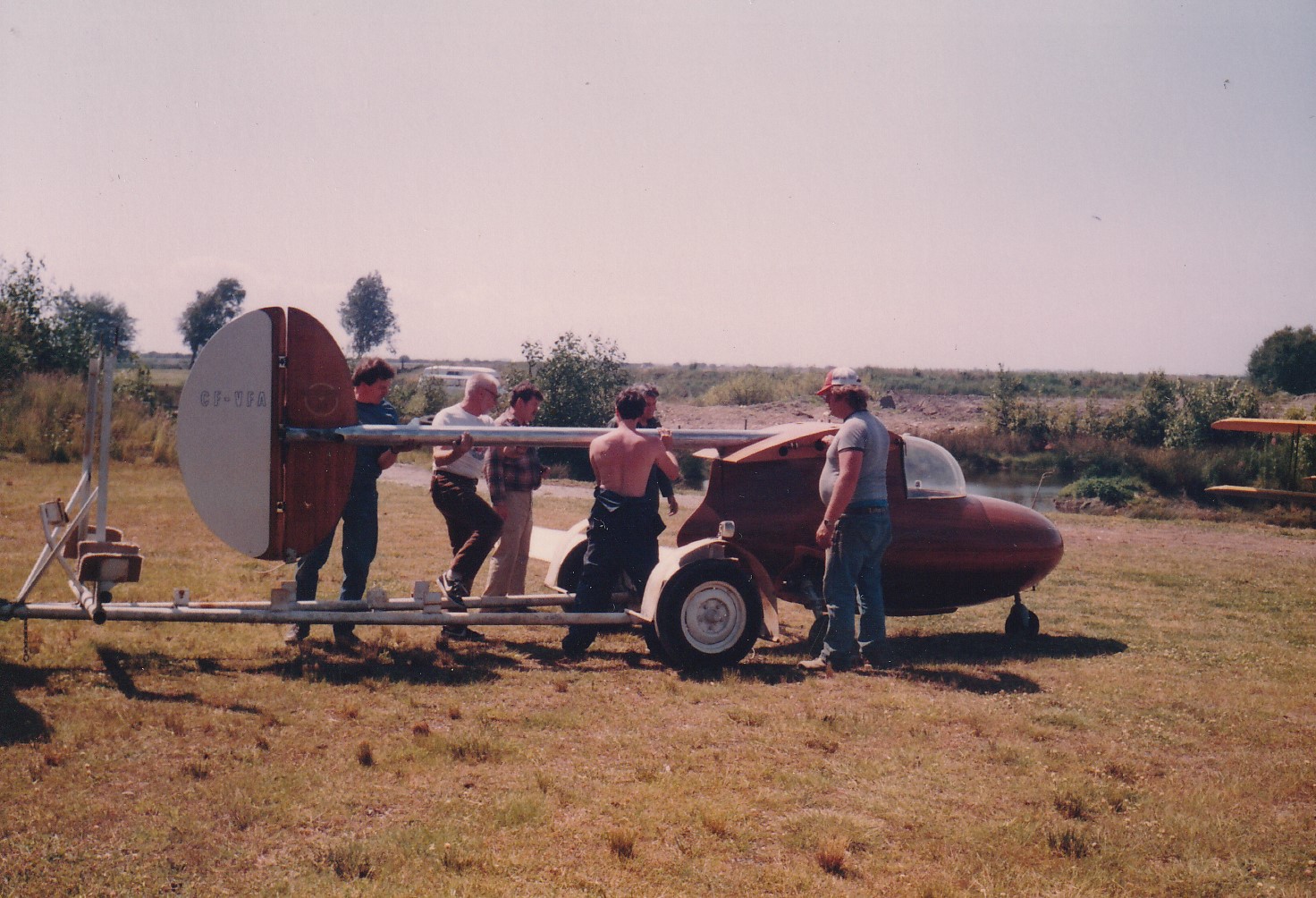
The design of the Dragonfly retained the basic Baby Albatross arrangement but had a significantly wider cockpit to accommodate side-by-side seating for two and included flight controls for both occupants. It featured a molded plywood fuselage pod, aluminum tube tail boom and strut-braced wooden wing. The engine was started by a ratchet-wire recoil system that allows for on ground and in-flight engine starts. Other innovations included retractable tricycle landing gear and a steerable nose wheel. Additional vertical fins were mounted on the ends of the horizontal stabilizer to provide better stability, and a hinged canopy was installed for easier access to the cockpit.
While the concept was good, the airplane never achieved real success, mostly due to the fact it simply didn’t perform well. The original 25 hp Nelson engine didn’t provide enough power, and the result was an airplane that took 900 feet to take-off and could not climb any better than 235 feet per minute. The beautiful wooden fuselage pod, made up of layers of mahogany, was not only heavy, but very labour intensive and thus very expensive to produce. Some Dragonflies (including the Museum’s example) had the engine removed, converting them to pure sailplanes.
Today, only four of the seven Nelson Dragonflies originally built still exist. Three of these are preserved in museums, and one is owned privately. One example is in the Smithsonian in Washington DC, one at the National Soaring Museum in Elmira, New York, and then there is ours at the Canadian Museum of Flight, in Langley, British Columbia.
Our Nelson BB-1 Dragonfly
Our Nelson Dragonfly was built in San Fernando, California in 1946 and of the 7 Dragonflies built, ours was the second to last examples manufactured. Our Dragonfly, serial 506, was originally purchased and operated by Peter Bowers, a well-known aircraft designer, historian and glider enthusiast. Of note, Peter Bowers was responsible for designing the very successful homebuilt airplane, the Bowers Fly Baby. He was also a member of the Boeing design team that worked on the Stratocruiser, KC-97, and the B-52 Stratofortress. Peter Bowers flew the Dragonfly in the Seattle, Washington area from 1946 to 1952, and then it was sold it to Bruce Blauman also of Seattle, Washington. Around this time the engine was removed, and it was converted to a pure glider. Four years later in 1956, it was purchased by the Airplane Supply Centre or Surrey, BC, and imported into Canada. It originally received the registration CF-IDB, but this registration was never used, and it ended up being registered CF-VFA and sold to retired WWII RCAF flight instructor and Victoria BC resident, Val Hinch. Val flew the Dragonfly around Vancouver Island throughout the early 1960’s before putting it into long-term storage.
In 1983 the Dragonfly was generously donated by Val Hinch to the Canadian Museum of Flight.
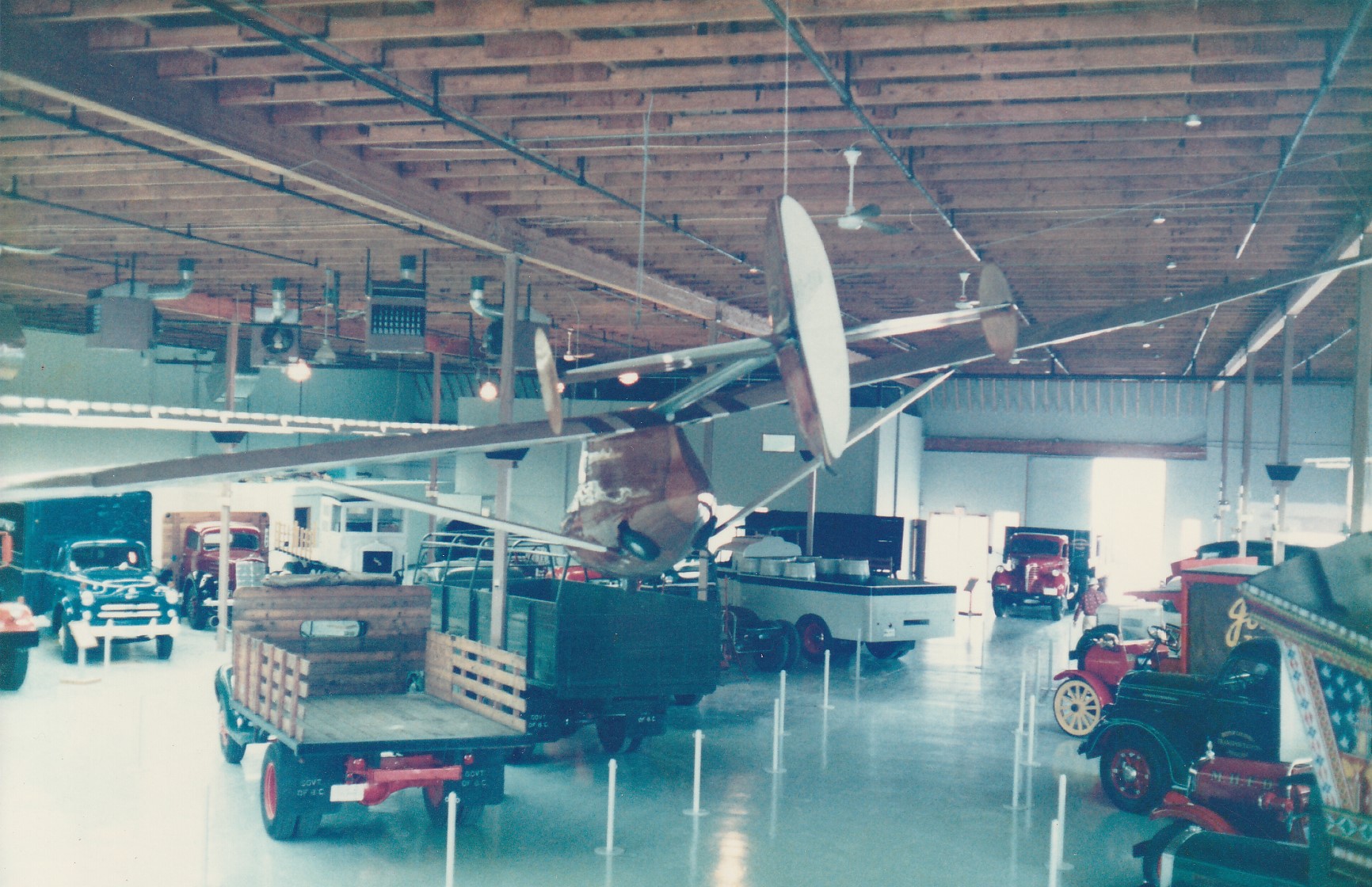
Due to the fragility of the airframe and the lack of appropriate indoor display space at the CMF’s Crescent Beach homesite, the Dragonfly was loaned to the Transportation Museum in Cloverdale, BC. When the Transportation Museum was forced to close, the Dragonfly was returned to the CMF and put into storage until it again was able to be put back on display when the CMF’s move to Langley Airport, BC. It can now be seen in our museum’s main display hangar, hanging from the ceiling.
The Canadian Museum of Flight is dedicated to preserving Canada’s aviation heritage, from rare artifacts to the very aircraft that shaped our history. Your support allows us to restore, maintain, and share these treasures with the public, inspiring future generations to reach for the skies. Every gift makes a lasting impact — join us in keeping aviation history alive: Donate Now!
Technical details:
- Serial 506, N34922, CF-IDB/CF-VFA
- Manufactured: 1946
- Engine: originally powered by a 25 hp (19 kW) Nelson H-44 4-cylinder 2-stroke engine
- Max speed: 50 mph (80 km/h) (originally 70 mph (113 km/h) with power)
- Empty weight: 580 lb (263 kg)
- Gross weight: 940 lb (426 kg)
- Span: 47 ft 4 in (14.4 m)
- Height: 6ft 10 in (2.1 m)
- Length: 20 ft 4 in (6.2 m)
- Aspect ratio: 13.25
- Propeller: 2-blade wooden 42 inch (1.07 m) diameter
- Maximum Glide Ratio: 18:1