Fleet 80 Canuck
General Description
The origins of the Fleet Model 80 Canuck trace back to 1939, when Ottawa Flying Club engineer J. Omer (Bob) Noury set out to design a Canadian-made light aircraft. His first design, the Noury T-65 Series 1, was a high-wing monoplane with a welded steel-tube fuselage and a 65-horsepower Continental engine. It first flew on January 21, 1940, and after gaining a certificate of airworthiness, it was sold the following year. In 1942, Noury founded Noury Aircraft Ltd. and developed a new aircraft, the Noury N-75, this time with a more powerful 75-horsepower engine, and it was test flown from Hamilton’s Mount Hope Airport in 1944.
The N-75 caught the attention of Fleet Aircraft, which saw great potential in the design. In May 1945, Fleet acquired the prototype and design rights, and after being test flown by Fleet’s chief test pilot Tommy Williams, it was decided to lower the engine to improve forward visibility and move it forward to allow placement of the main fuel tank behind the instrument panel. With a more powerful Continental C-85 engine installed, and a new fin and rudder the transformation into the Fleet 80 Canuck was complete.
The Canuck stood out at the time due to its side-by-side seating, which made it especially suitable for flight instruction. Most trainers of the era placed students and instructors in tandem, but the Canuck’s design improved communication and visibility for both occupants. Its conventional construction, practical layout, and low operating costs made it an attractive option for civilian flying schools and private pilots alike.
A totally of 225 Fleet 80 Canucks were built by Fleet Aircraft of Fort Erie, ON between 1945 and 1947, and by Leaven Brothers in Toronto, ON between 1948 and 1958. Despite being an excellent airplane, sales were underwhelming. Part of the reason was that after WWII the civilian market was flooded with ex-RCAF training aircraft. While a brand-new Canuck had a price tag of around $3800.00, Tiger Moth’s were being sold surplus for on a few hundred dollars. Instead of purchasing Fleet Canucks, flying schools and flying clubs more often than not, opted for the cheaper Tiger Moth aircraft to fill their needs.
Today, there are approximate 70 Fleet Canucks still on the Transport Canada Aircraft Registry. Proof that the Fleet Canuck remains a cherished part of Canadian aviation history. Its durable construction and versatile design have allowed many examples to remain airworthy, often operated by private owners, flying clubs, and aviation museums across the country.
Our Fleet 80 Canuck
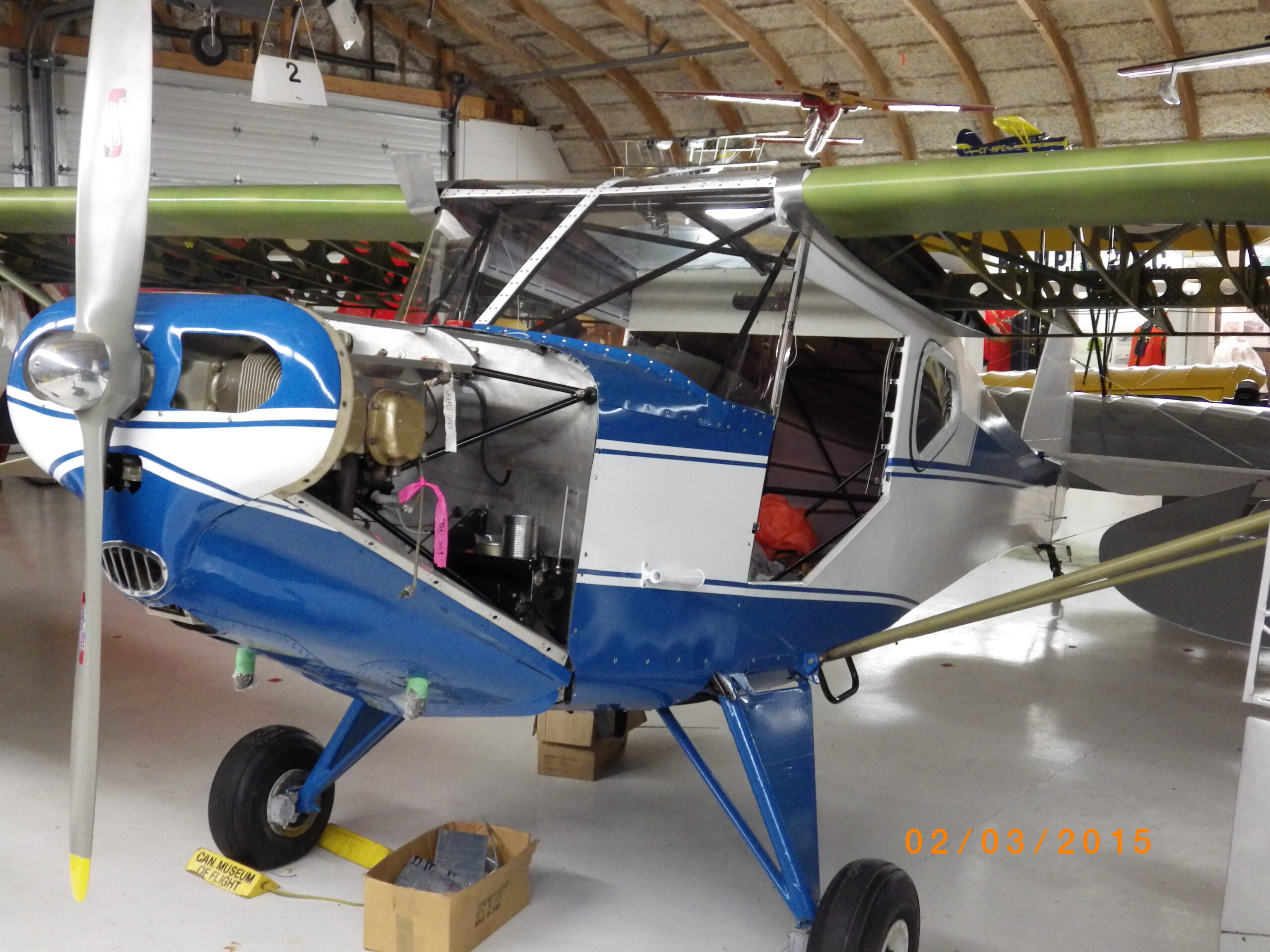
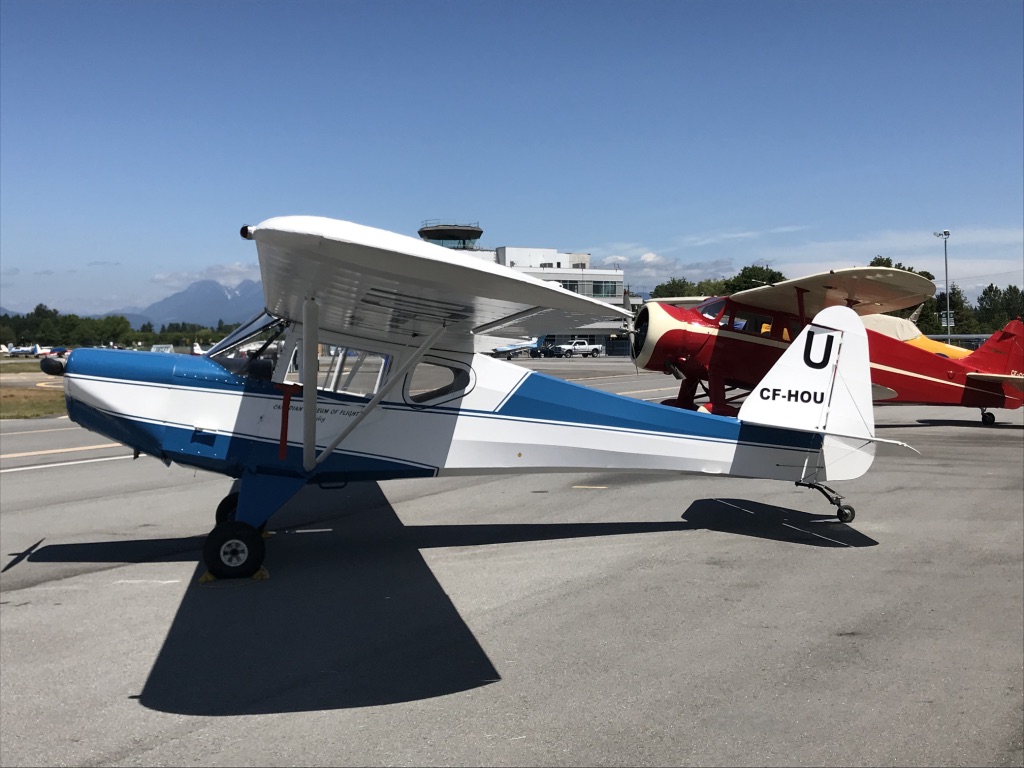
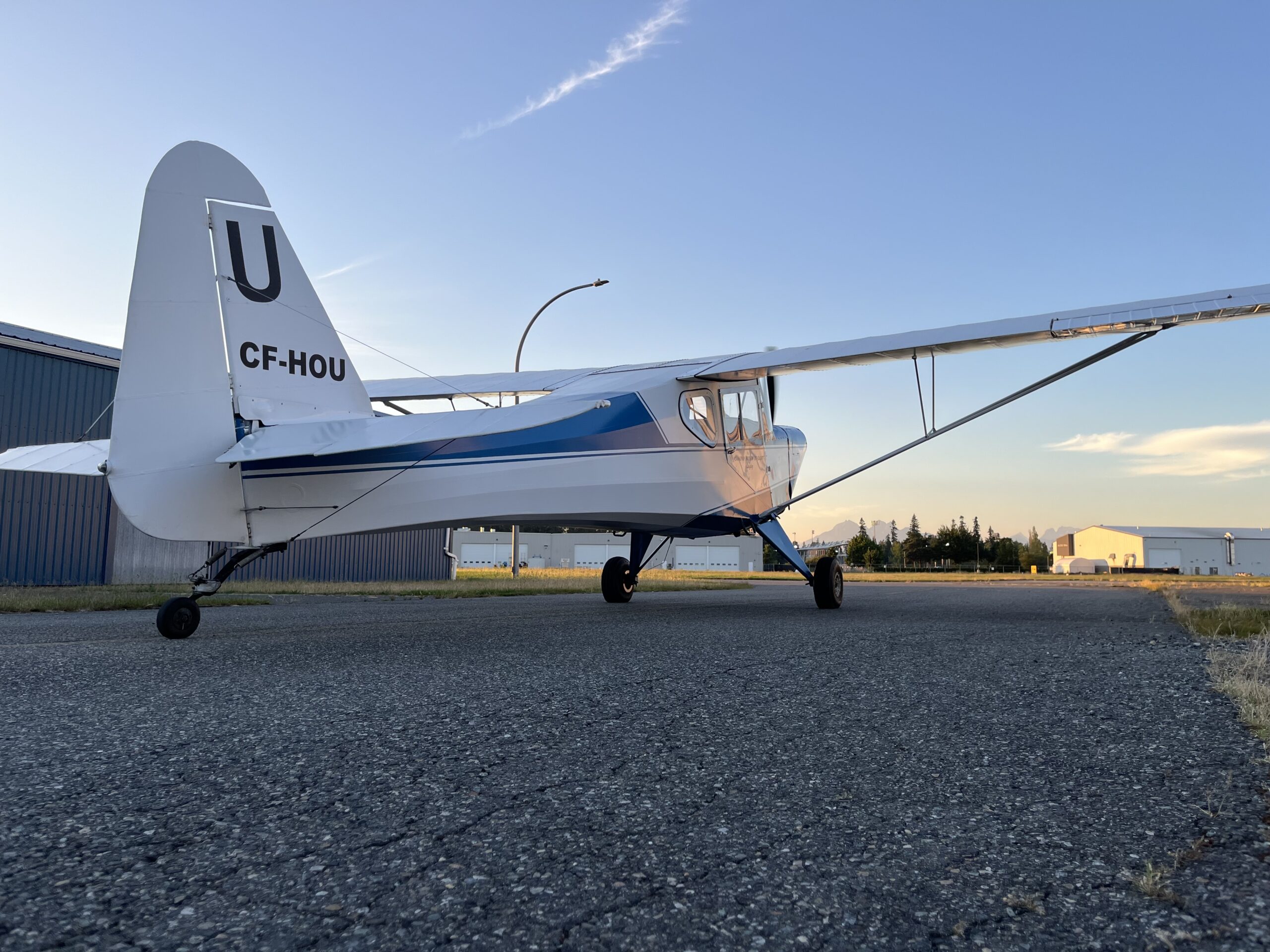
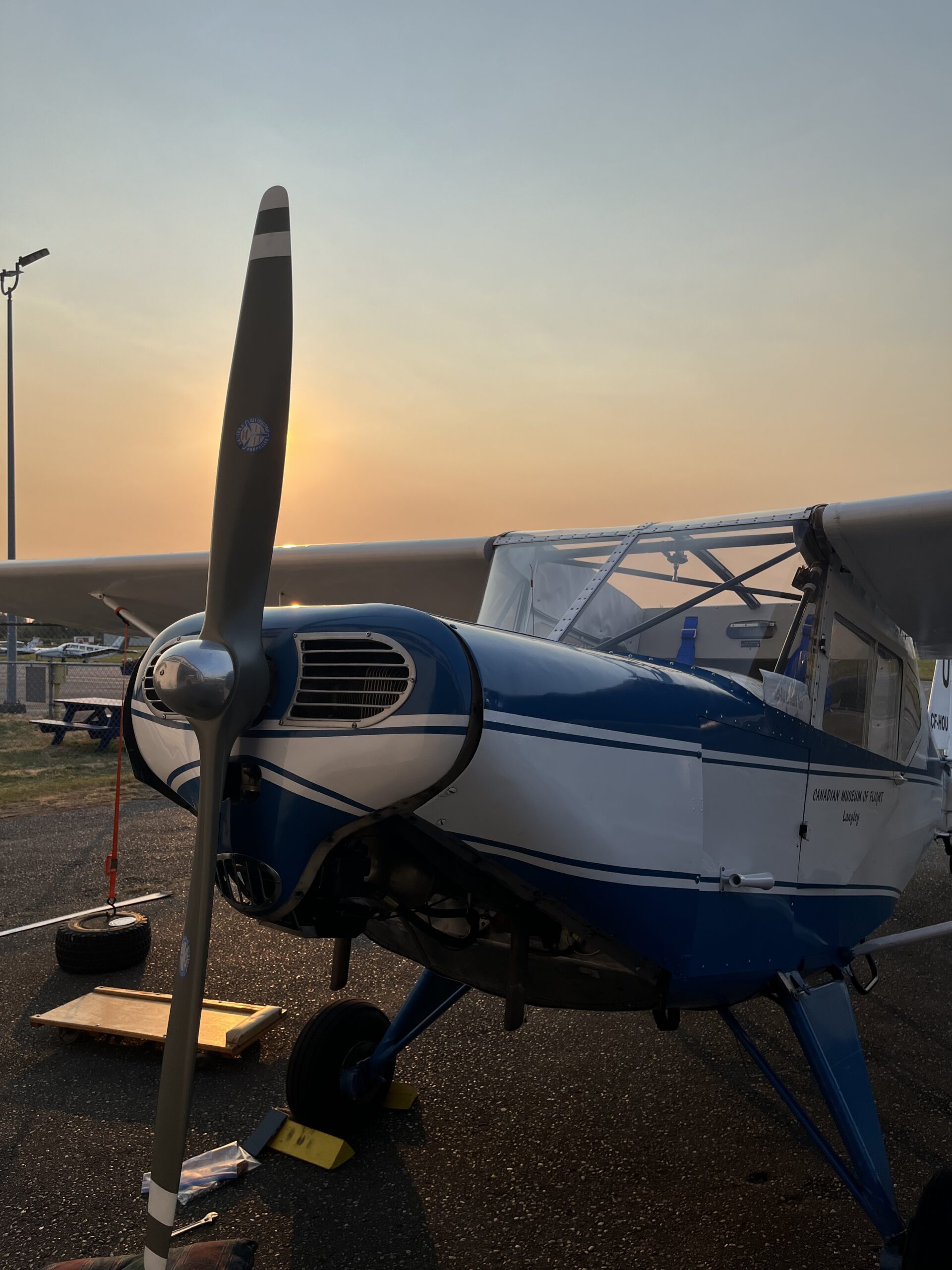
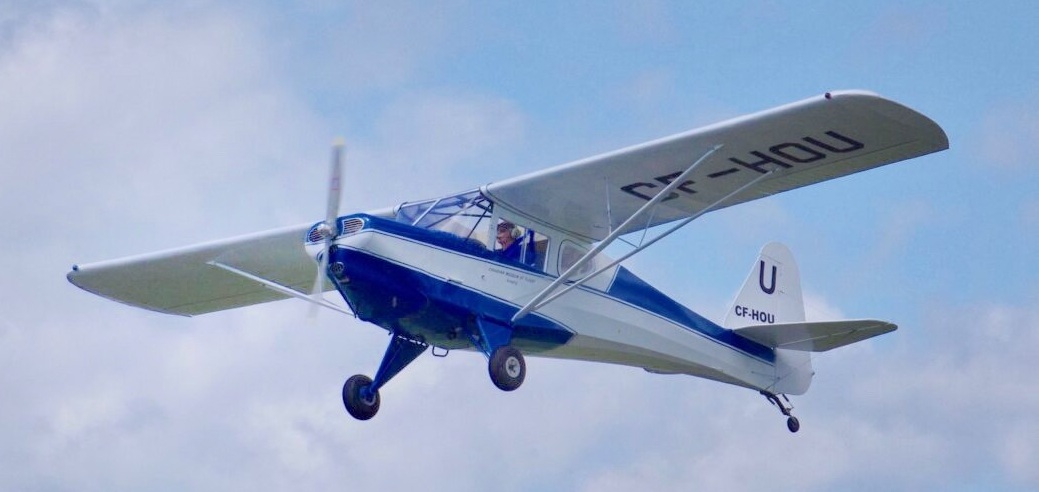
The museum’s Fleet Canuck was built as serial #220 in 1955 by Leaven Brothers in Toronto, Ontario and registered as CF-HOU. Little is known about its chain of ownership until 1981, but in that year we know that it belonged to Margaret McDougall of Edmonton, Alberta. From there, it passed through numerous hands and was based in Edmonton, Lac La Biche, Lloydminster, and Provost before ending up in Pincher Creek, Alberta.
With a very gracious donation from Hank Koehler of Langley, BC, the Canadian Museum of Flight was able to purchase the airframe of CF-HOU in 2002. Mr. Koehler donated the funds to facilitate finding a Fleet Canuck project and restoring it to airworthy condition.
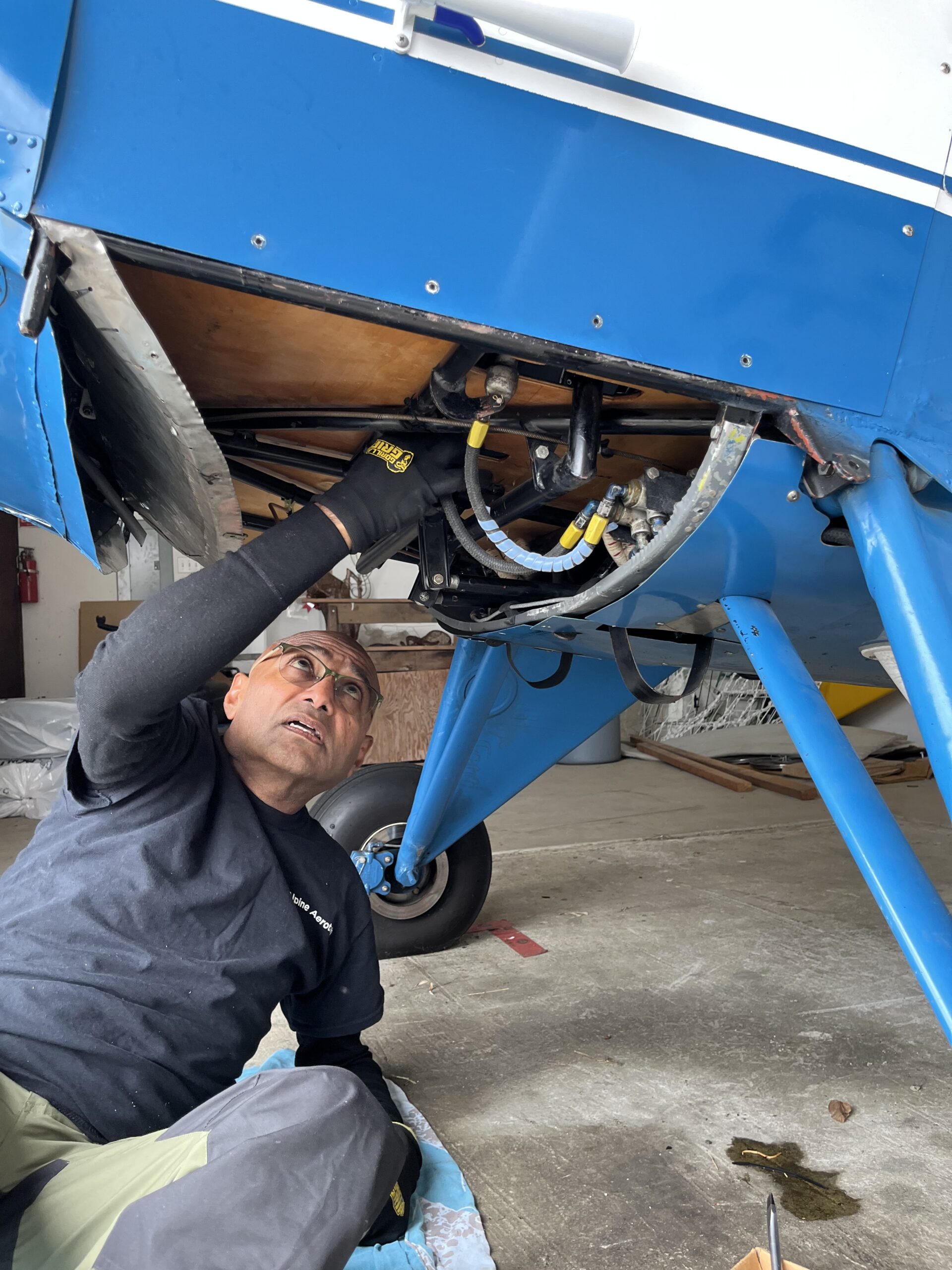
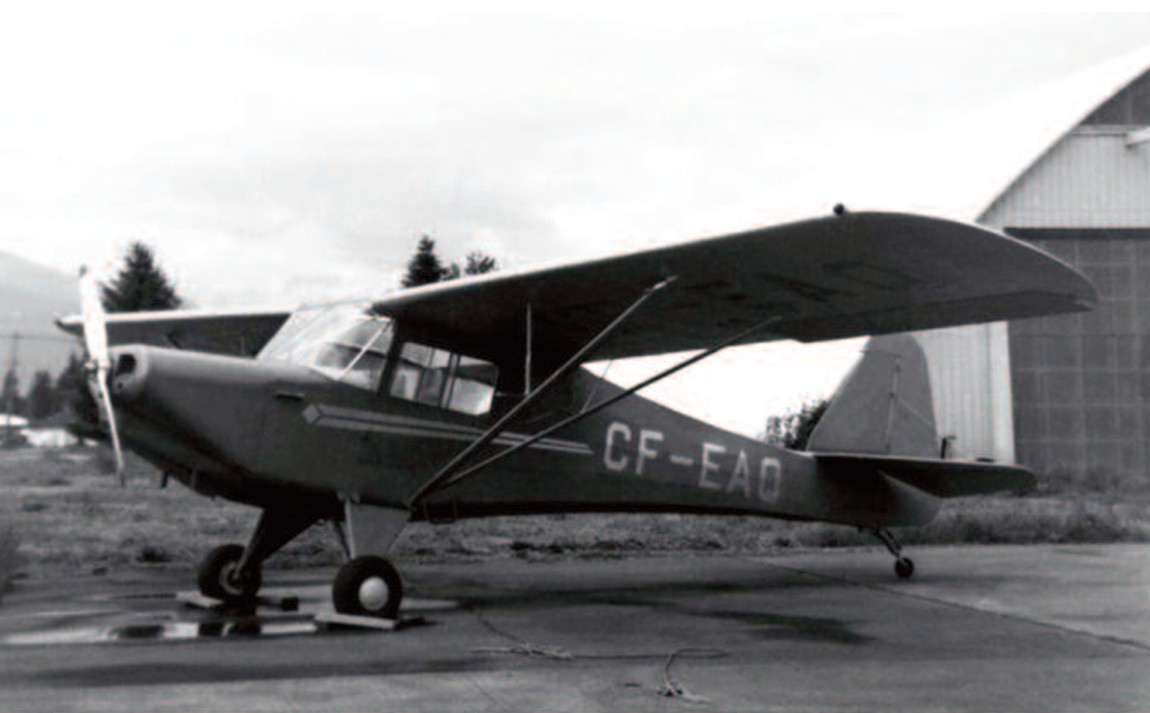
The airframe of CF-HOU was purchased and retrieved from Pincher Creek and brought back to Langley, BC in the Fall of 2002. The restoration project began soon after under the watchful eye of Ray Fassenden. Work was carried out by a large team of volunteers who meticulously brought every part of the airplane back to factory new condition, or better. Additional parts from the crashed airframe of Fleet Canuck CF-EAQ were used to complete the restoration of CF-HOU. After a 14-year restoration and our Fleet Canuck took to the air again on 21 June, 2017 with museum pilot, Bill Findlay at the controls.
On 15 November 1970, Roy Brett, who had previously owned the Canuck, was flying CF-EAQ from Sechelt to Chilliwack for its then owner. He left at 2:00pm in poor weather and never arrived in Chilliwack. The next day when the weather had improved a major air search was initiated, but it was unknown where along the hundred-mile route he may have gone down. In the heavy rain and high winds on the day of his flight, he could have easily strayed off course anywhere along the route. 37 years later the wreckage of CF-EAQ was discovered in the mountains north of Mission, BC. We can surmise that in driving rain and poor visibility, with clouds low on the mountains, he had drifted left of planned track towards higher terrain, and by the time he saw it, it was too late. He hit the tops of a dense patch of 100-foot-tall trees, themselves only about 200 feet from the top of the mountain. The port wing was torn off and the aircraft swung through 180° with lift from the starboard wing pulling that up so that EAQ then slid down between the trees to hit the ground sideways. Upon discovery of the wreckage, the altimeter still read 1600 feet ASL (Above Sea Level), the height at which he hit. Shortly after its discovery, Roy Brett’s family offered the wreckage of CF-EAQ to the Canadian Museum of Flight which was delighted to accept it. As mentioned, some parts of CF-EAQ were used in the restoration of CF-HOU, while other artifacts from the crash can now be found on display in the museum hangar.
The Canadian Museum of Flight is dedicated to preserving Canada’s aviation heritage, from rare artifacts to the very aircraft that shaped our history. Your support allows us to restore, maintain, and share these treasures with the public, inspiring future generations to reach for the skies. Every gift makes a lasting impact — join us in keeping aviation history alive: Donate Now!
Technical Details:
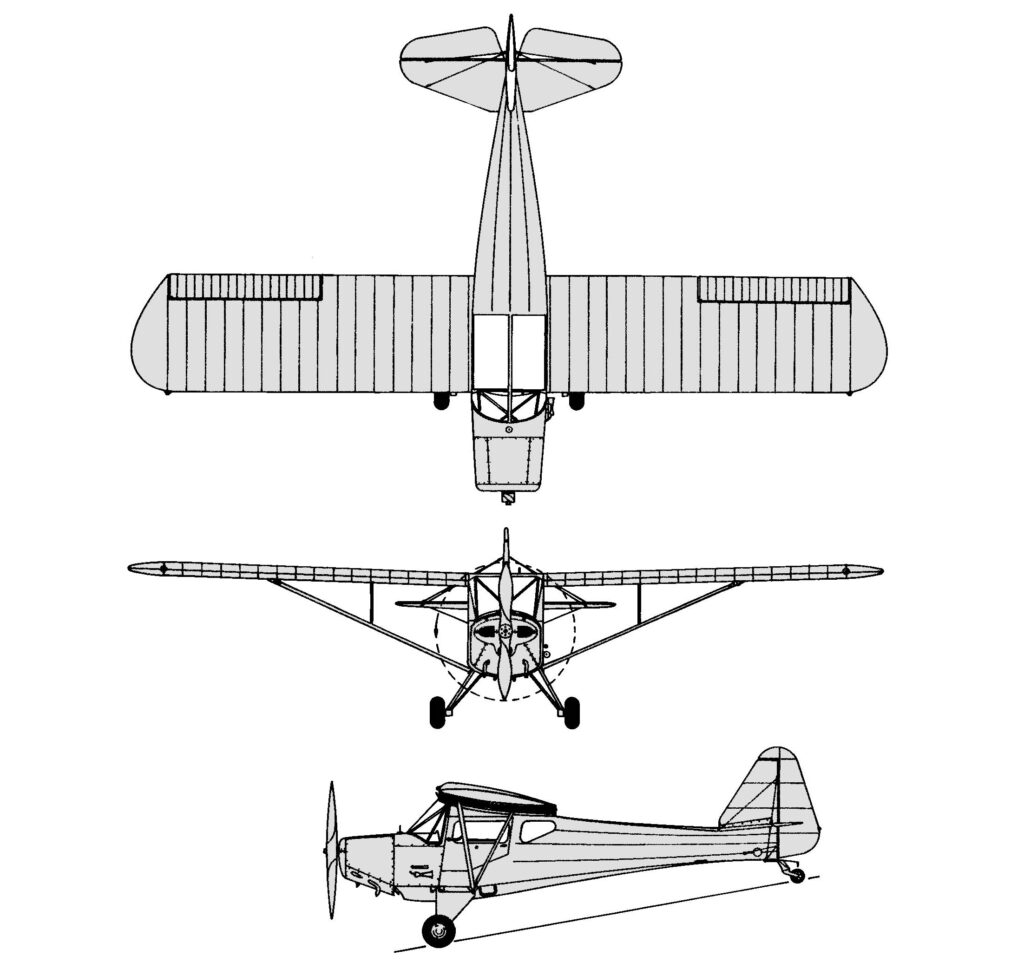
- Serial: 220, CF-HOU
- Manufacture: 1955
- Engine: 85 hp Continental C85 horizontally-opposed
- Maximum speed: 111 mph (178 km/h)
- Cruising speed: 93 mph (149 km/h)
- Empty: 934 lb (423 kg)
- Gross: 1,480 lb (671 kg)
- Span: 34 ft 0 in (10.3 m)
- Length: 22 ft 4.5 in (6.8 m)
- Height: 7 ft 1 in (2.1 m)
- Wing area: 173.5 sq ft (52.8 sq m)
(Photo credit: Wikimedia)